

Quick answer
The primary Cancun snorkeling spots include the underwater sculpture park at MUSA (Museo Subacuático de Arte), Punta Nizuc reef, the coral formations off Playa Delfines, and Isla Mujeres' western reefs. Most marine park sites operate from 09:00 to 17:00 daily and charge a 20 USD conservation fee per person. Morning departures between 09:00 and 11:00 offer the calmest water and clearest visibility before afternoon currents pick up.
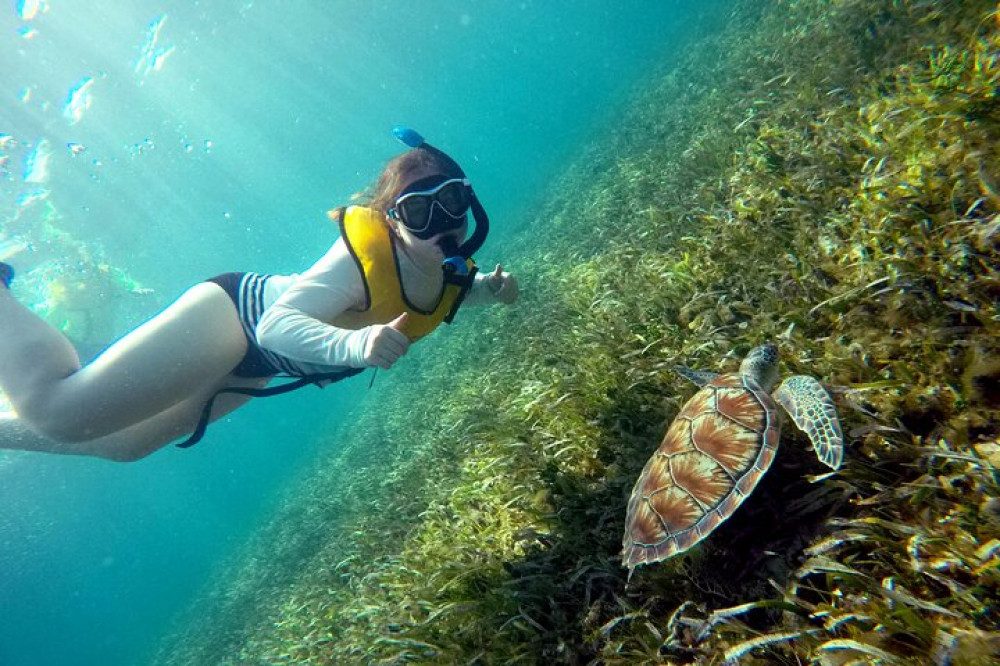
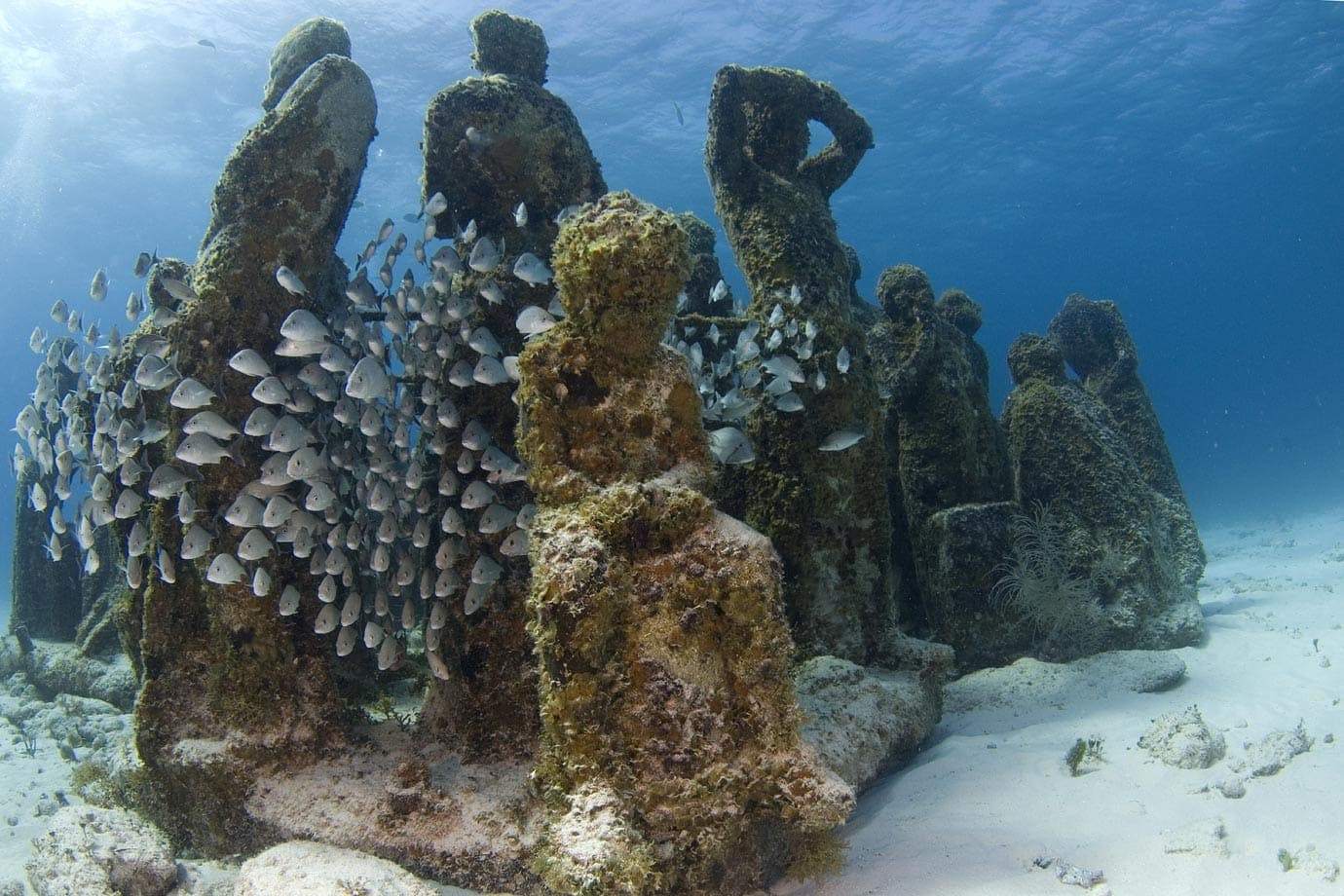
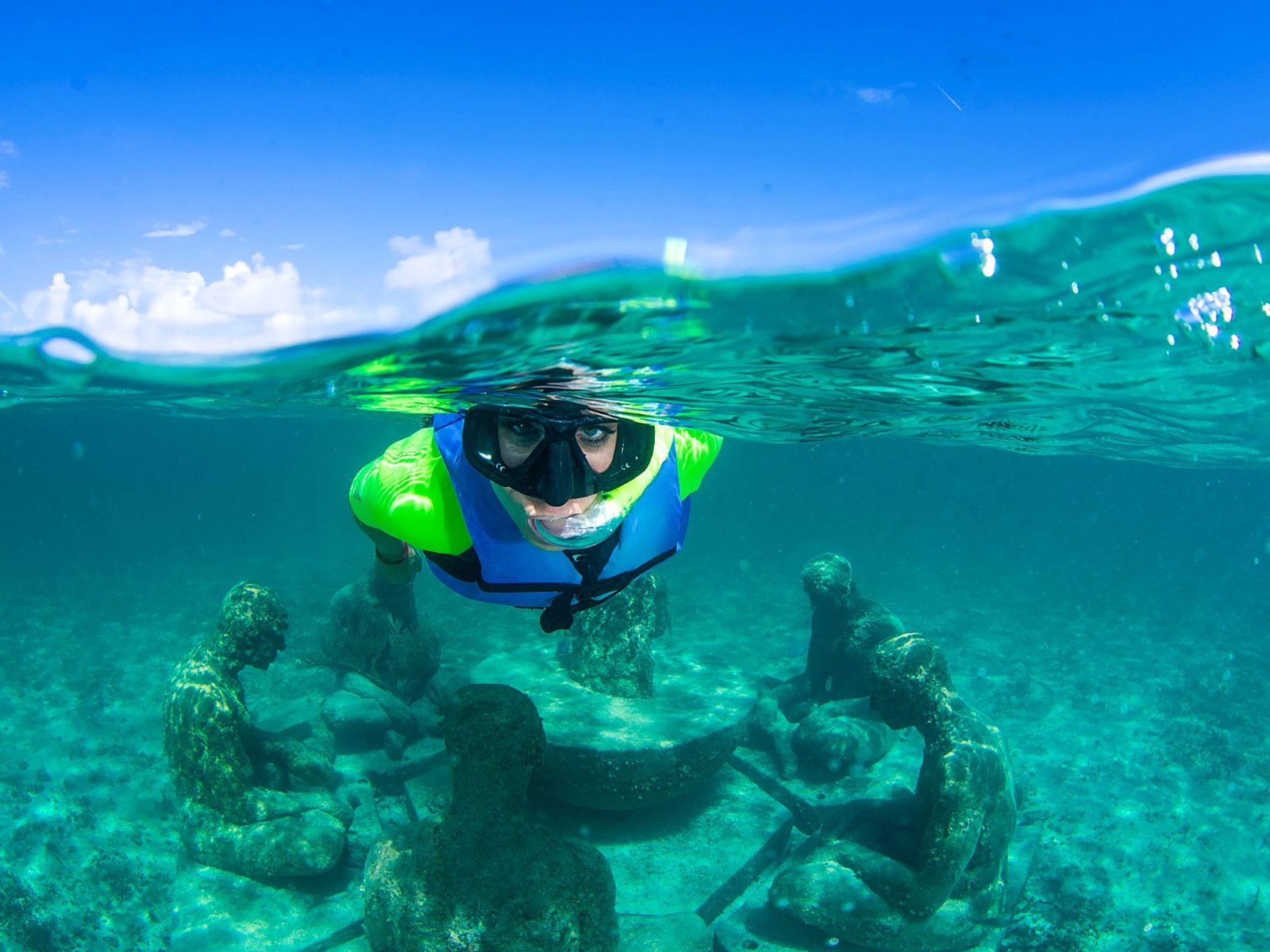
The Mesoamerican Barrier Reef runs along Cancún's eastern shore, creating a natural gallery of snorkeling environments within a short boat ride of the Hotel Zone. MUSA's submerged sculpture garden sits in shallow water at Punta Nizuc, where over 500 life-sized cement figures have transformed into artificial reef structures colonized by coral polyps and schooling fish. The installation occupies two sites: the shallow Salon Manchones near Isla Mujeres and the more accessible Punta Nizuc gallery, where visibility reaches fifteen meters on calm mornings. North of the Hotel Zone, Punta Cancún's reef system extends from the Riu palace properties to the Yamil Lu'um archaeological zone. The coral slopes here drop gradually from three to twelve meters, creating snorkeling lanes where green sea turtles feed on algae beds and angelfish patrol elkhorn coral branches. Playa Delfines, at the southern end of the Hotel Zone, offers direct beach access to a fringing reef fifty meters offshore, though wave action can reduce visibility during afternoon sea breezes. Isla Mujeres, a thirty-minute ferry crossing from Cancún, shelters the region's most protected snorkeling zones along its western and southern coasts. Garrafón Natural Reef Park, El Farito reef, and the Manchones reef system form a continuous underwater corridor where hawksbill turtles nest and nurse sharks rest in sandy channels. Water temperature holds steady at 26-28°C year-round, though seasonal Nortes storms between November and February can close boat departures for two to three days at a time. The marine park fee applies across all protected snorkeling sites in the Cancún-Isla Mujeres corridor and funds reef restoration projects managed by the National Commission of Protected Natural Areas. Private operators and hotel beach clubs provide gear rental and guided boat trips, but independent snorkelers with their own equipment can access beach-entry sites like Playa Delfines and the public stretches of Playa Tortugas without booking a tour. The reef structures closest to shore see the most pressure from daily visitors, while boat-access sites like the MUSA sculptures maintain stricter capacity limits to prevent coral damage from fin strikes and anchor drops.
“MUSA's submerged sculpture garden sits in shallow water at Punta Nizuc, where over 500 life-sized cement figures have transformed into artificial reef structures colonized by coral polyps and schooling fish.”
Best Time to Visit Cancun Snorkeling Spots
The best arrival window for snorkeling in Cancun is 09:00–11:00, which provides the calmest water conditions and highest morning visibility. Planning your visit during this period helps you avoid the primary midday wind shifts and peak excursion crowds.
December to February
Moderate crowdsCooler, 23°C to 26°C
Conditions are generally dry but occasional north winds can temporarily impact water clarity.
March to May
High crowdsWarm and clear, 26°C to 29°C
This period offers excellent water temperatures and visibility before the peak of the rainy season.
June to August
High crowdsHot and humid, 28°C to 32°C
Seaweed accumulation on beaches can vary significantly during these months, though open-water snorkeling sites often remain clear.
September to November
Low to moderate crowdsWarm, 26°C to 30°C
While this is the tail end of the hurricane season, the water is warm and crowds are thinner, making it a viable option for flexible travelers.
Verdict: For the best experience, arrive between 09:00–11:00 during the months of April or October to balance favorable water conditions with manageable crowd levels.
Operating Hours for Cancun Snorkeling Spots
Cancun snorkeling spots operate on a consistent schedule throughout the week to accommodate visitors. All locations are open daily from morning until late afternoon.
| Monday | 09:00–17:00 | |
|---|---|---|
| Tuesday | 09:00–17:00 | |
| Wednesday | 09:00–17:00 | |
| Thursday | 09:00–17:00 | |
| Friday | 09:00–17:00 | |
| Saturday | 09:00–17:00 | |
| Sunday | 09:00–17:00 |
How to Get to Cancun Snorkeling Spots
The snorkeling departure point is located at Boulevard Kukulcan Km 15.3 in the Zona Hotelera. The most direct approach is by taxi or public bus along the main hotel zone road.
R-1 or R-2 line to Hotel Zone Km 15.3 stop
Direct to Boulevard Kukulcan Km 15.3
Drive via Boulevard Kukulcan to Km 15.3
Notable Underwater Features at Cancun Snorkeling Spots
The snorkeling sites in Cancun feature a blend of artificial underwater installations and thriving natural coral ecosystems. These areas provide habitat for marine life while offering distinct visual experiences beneath the surface.
MUSA Underwater Museum
This site consists of over 500 life-sized sculptures designed to promote coral growth and reef recovery. Snorkelers can observe how marine organisms have begun to colonize these static forms over time.
Look for the human figures covered in sponges and coral growth.
Manchones Reef
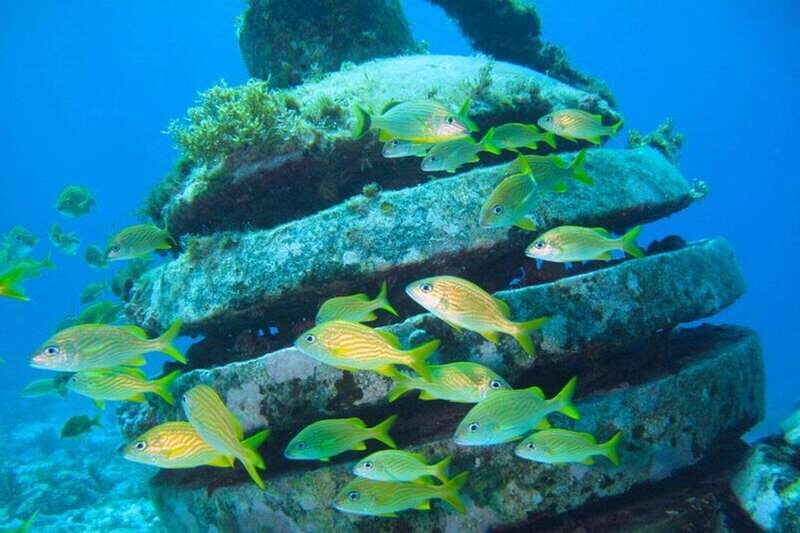
Located near the museum, this natural reef formation hosts a diverse range of Caribbean marine species. The structure provides complex crevices where fish and crustaceans seek shelter.
Swim slowly along the reef edge to spot camouflaged marine life.
El Farito
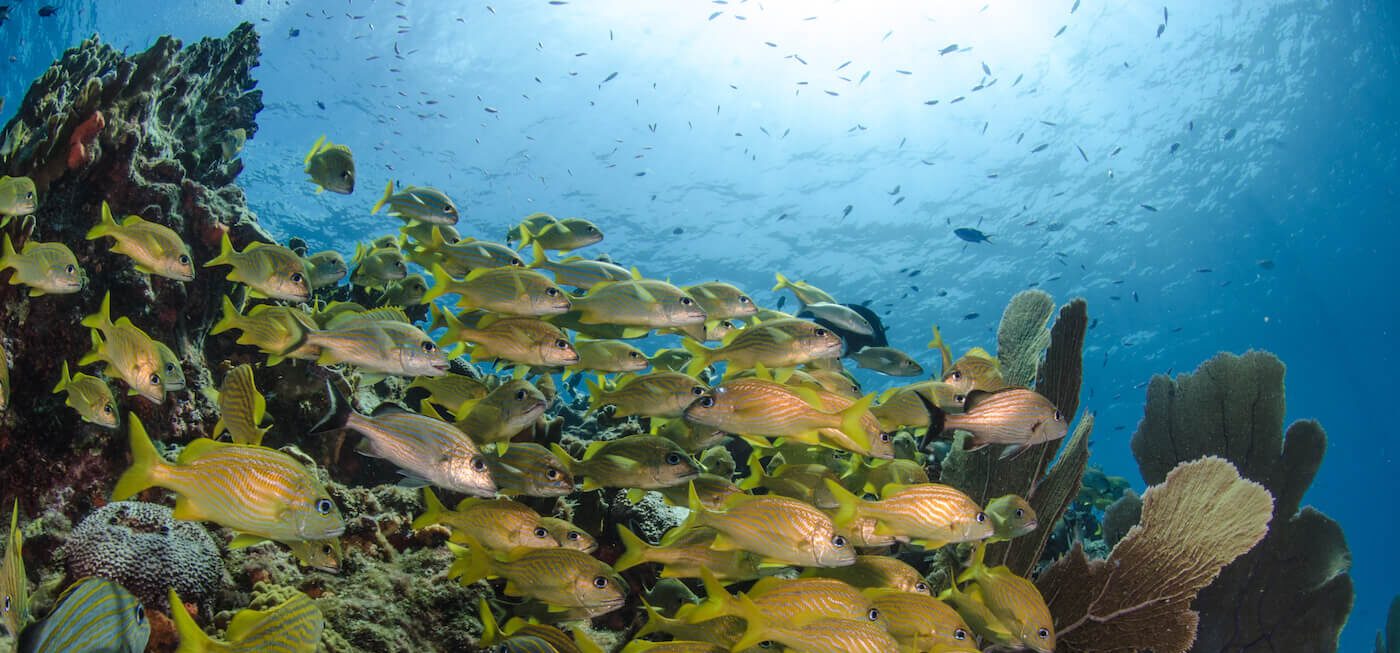
This shallow reef area is known for its accessibility and frequent sightings of various tropical fish species. It serves as a calm entry point for observing local aquatic biodiversity.
Stay near the lighthouse structure for the highest fish density.
Punta Nizuc
This area contains natural reef sections and submerged artifacts that attract schools of colorful reef fish. The combination of structures creates a concentrated zone for underwater observation.
Visit the shallow sections to see parrotfish feeding on the rocks.
Checklist for Visiting Cancun Snorkeling Spots
Prepare these essentials before heading to Cancun's snorkeling sites to ensure a safe and comfortable experience.
-
Book your tour or reserve equipment — Most popular spots require advance reservations, especially during peak season.
-
Bring reef-safe sunscreen — Chemical sunscreens damage coral; biodegradable formulas protect both you and the marine ecosystem.
-
Pack a waterproof phone case — You'll want to protect your device from saltwater while keeping it accessible for photos.
-
Wear a rash guard or wetsuit — UV protection and warmth in deeper water, plus defense against jellyfish.
-
Confirm marine park fee payment method — The 20 USD per-person dock fee is collected at entry points, typically cash or card.
-
Arrange transportation to your chosen spot — Snorkeling sites span the hotel zone and nearby islands; plan pickup times accordingly.
Check availability
Frequently Asked Questions About Cancun Snorkeling Spots
Everything you need to know about cancun snorkeling spots